Understanding the Electrical Trade: Beyond the Basics
The electrical trade is a cornerstone of modern infrastructure, powering everything from our homes and businesses to advanced technological systems. Beyond the fundamental understanding of circuits and wiring, a successful electrician possesses a deep knowledge of safety protocols, diagnostic techniques, and evolving industry standards. This profession demands continuous learning to keep pace with new technologies like smart home systems and renewable energy integration, ensuring reliable and safe electrical services.
Becoming proficient in the electrical trade involves mastering various aspects, including blueprint reading, troubleshooting complex electrical issues, and adhering to strict building codes. Electricians are crucial for new construction, maintenance, and repair, playing a vital role in ensuring the functionality and safety of electrical systems. The demand for skilled electricians remains consistently high, offering a stable and rewarding career path for those with the right training and dedication.
The Importance of HVAC Maintenance for Homeowners
Regular maintenance of your Heating, Ventilation, and Air Conditioning (HVAC) system is crucial for ensuring its optimal performance, longevity, and energy efficiency. Neglecting routine checks can lead to unexpected breakdowns, costly repairs, and a significant increase in utility bills. A well-maintained HVAC system not only provides consistent comfort throughout the year but also contributes to better indoor air quality by preventing the buildup of dust, allergens, and other pollutants.
Key aspects of HVAC maintenance include cleaning air filters, checking refrigerant levels, inspecting electrical connections, and ensuring proper airflow. Professional technicians can identify potential issues before they escalate into major problems, saving homeowners from inconvenience and expense. Investing in a proactive maintenance plan for your HVAC system is a smart decision that pays dividends in comfort, reliability, and cost savings over time.
Benefits of a Career in Skilled Trades
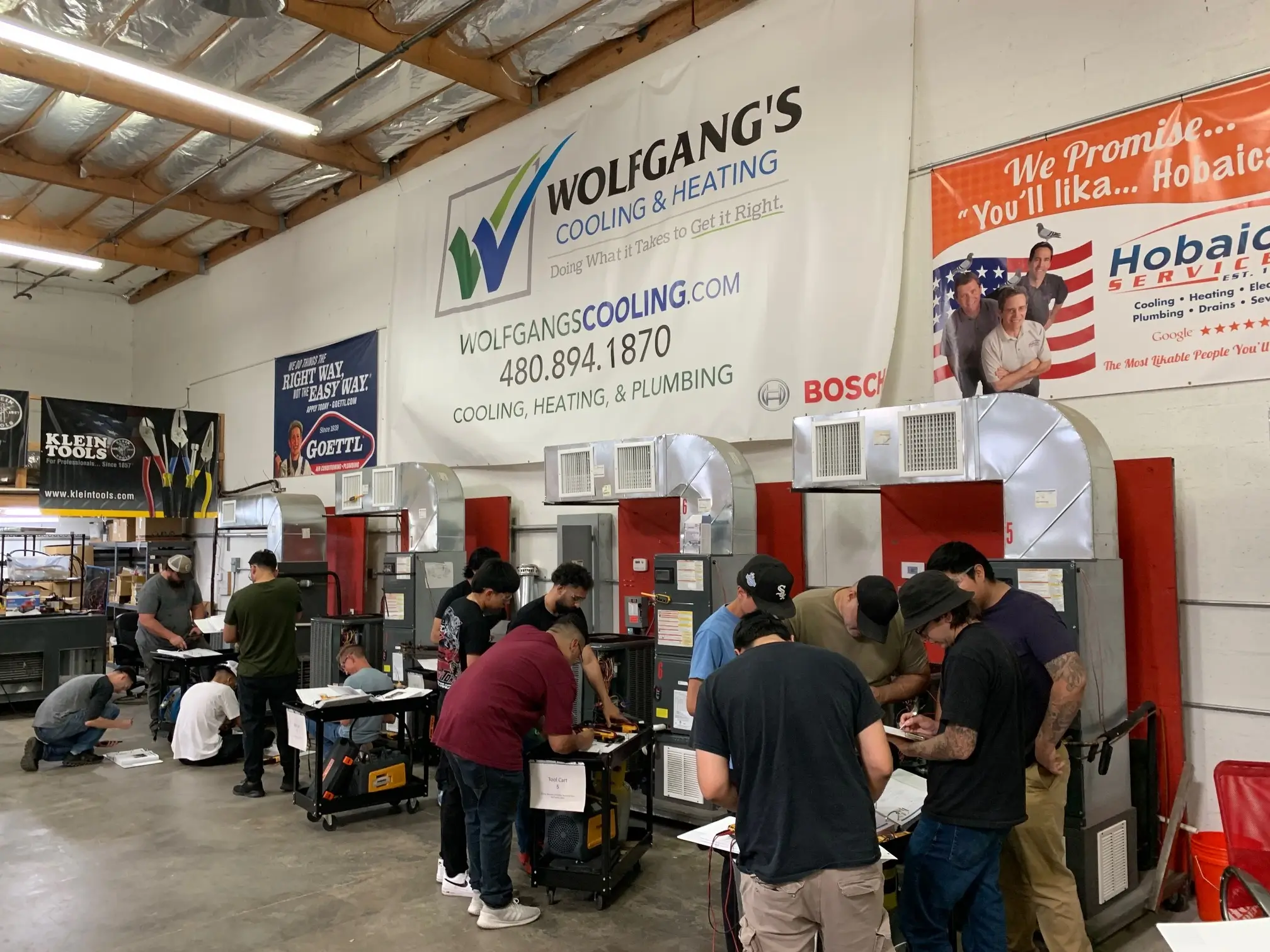
Pursuing a career in skilled trades offers a compelling alternative to traditional four-year college degrees, providing direct entry into in-demand professions with excellent earning potential and job security. Trades like HVAC, plumbing, and electrical work are essential to the functioning of society, meaning there will always be a need for qualified professionals. This path often involves hands-on learning and apprenticeships, allowing individuals to gain practical experience while earning a wage.
The advantages of a trade career extend beyond immediate employment. Many skilled trades offer opportunities for entrepreneurship, allowing individuals to start their own businesses and become their own bosses. Furthermore, the work is often dynamic and challenging, requiring problem-solving skills and continuous learning as technology evolves. For those who enjoy working with their hands and seeing the tangible results of their labor, a career in the skilled trades can be incredibly fulfilling and financially rewarding.
Navigating the Job Market as a New Technician
Entering the job market as a newly trained technician in fields like HVAC, plumbing, or electrical work can be an exciting yet daunting experience. While your technical training has equipped you with essential skills, the transition to a professional environment requires understanding industry expectations, networking effectively, and presenting yourself professionally. Employers are looking for individuals who not only possess technical competence but also demonstrate reliability, a strong work ethic, and a willingness to learn and adapt.
To successfully navigate this phase, focus on building a strong resume that highlights your training, any certifications, and practical experience gained during your program. Actively seek out opportunities for internships or entry-level positions that allow you to further hone your skills and gain real-world exposure. Networking with instructors, fellow graduates, and industry professionals can open doors to unadvertised positions and provide valuable insights into the current job market and career progression paths.