Why Choose a Career in Skilled Trades?
Choosing a career in skilled trades offers a direct path to a stable and rewarding profession, often with less student debt than traditional four-year degrees. These roles are fundamental to the functioning of modern society, from building and maintaining infrastructure to ensuring the comfort and safety of homes and businesses. The demand for skilled tradespeople is consistently high, providing excellent job security and opportunities for advancement.
Skilled trades encompass a wide range of essential services, including HVAC, plumbing, electrical work, and welding. These careers typically involve hands-on work, problem-solving, and the application of specialized knowledge. Many individuals find deep satisfaction in the tangible results of their labor and the direct impact they have on their communities. Furthermore, the entrepreneurial spirit thrives in the trades, with many technicians eventually starting their own successful businesses.
The Importance of Hands-On Training at NTI
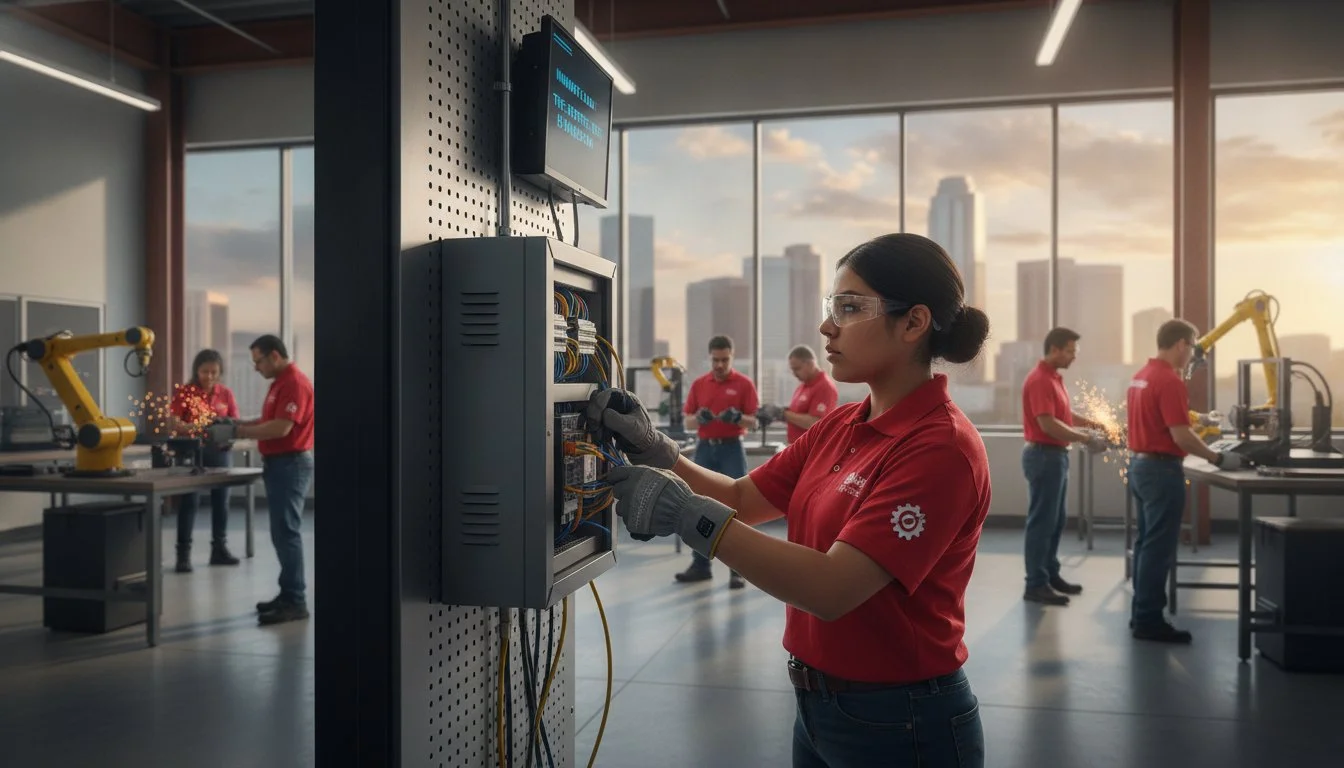
At the National Technical Institute (NTI), we emphasize the critical role of hands-on training in preparing students for successful careers in the skilled trades. Our curriculum is designed to move beyond theoretical knowledge, immersing students in practical application using industry-standard tools and equipment. This experiential learning approach ensures that graduates are not only knowledgeable but also proficient and confident in their abilities from day one.
Our state-of-the-art labs and workshops provide a realistic training environment where students can hone their skills under the guidance of experienced instructors. This methodology is proven to accelerate learning and retention, making NTI graduates highly sought after by employers. By simulating real-world challenges, we equip our students with the problem-solving skills and adaptability necessary to excel in dynamic trade environments.
Exploring Career Paths Beyond Technician Roles
While many individuals enter the skilled trades as technicians, the career landscape offers numerous avenues for growth into leadership and specialized roles. With experience and further training, technicians can transition into positions such as supervisors, project managers, inspectors, or even business owners. These advanced roles often involve greater responsibility, higher earning potential, and the opportunity to shape projects and teams.
For instance, an experienced HVAC technician might move into a project management role, overseeing the installation of complex climate control systems for commercial buildings. Similarly, a skilled electrician could become an electrical inspector, ensuring safety and compliance with codes. The entrepreneurial path is also a popular choice, allowing individuals to leverage their expertise to build and manage their own service companies, offering a high degree of autonomy and reward.
Understanding the Benefits of Electrical Careers
Embarking on a career as an electrician provides a pathway to a stable, well-compensated, and intellectually stimulating profession. Electricians are essential to every aspect of modern life, responsible for installing, maintaining, and repairing the electrical systems that power our homes, businesses, and infrastructure. The demand for qualified electricians remains robust, driven by new construction, renovations, and the ongoing need for system upgrades and maintenance.
The work of an electrician is diverse, ranging from intricate wiring in residential settings to complex power distribution in industrial facilities. Beyond the core technical skills, electricians often develop strong problem-solving abilities and a keen eye for detail to ensure safety and efficiency. With opportunities for specialization in areas like renewable energy systems or telecommunications, an electrical career offers continuous learning and the potential for significant career advancement.