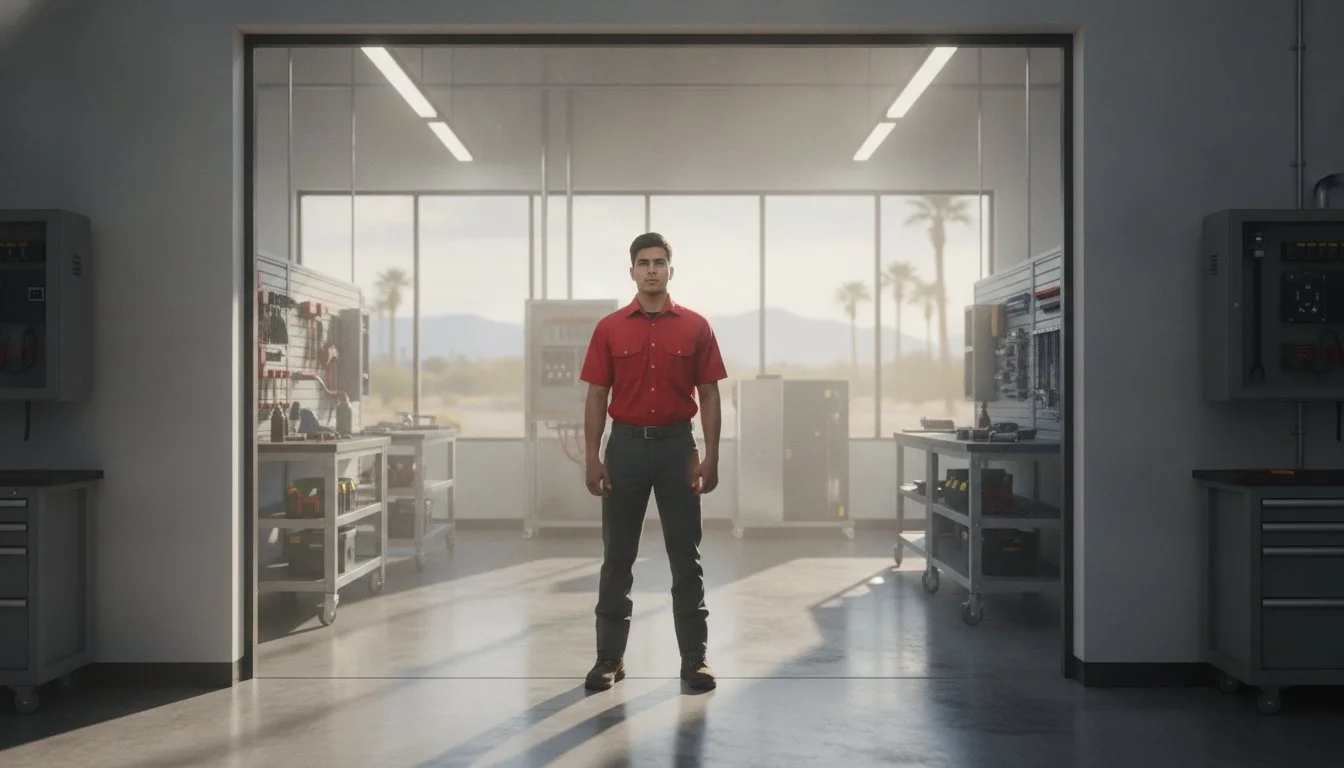
Understanding the Role of an HVAC Technician
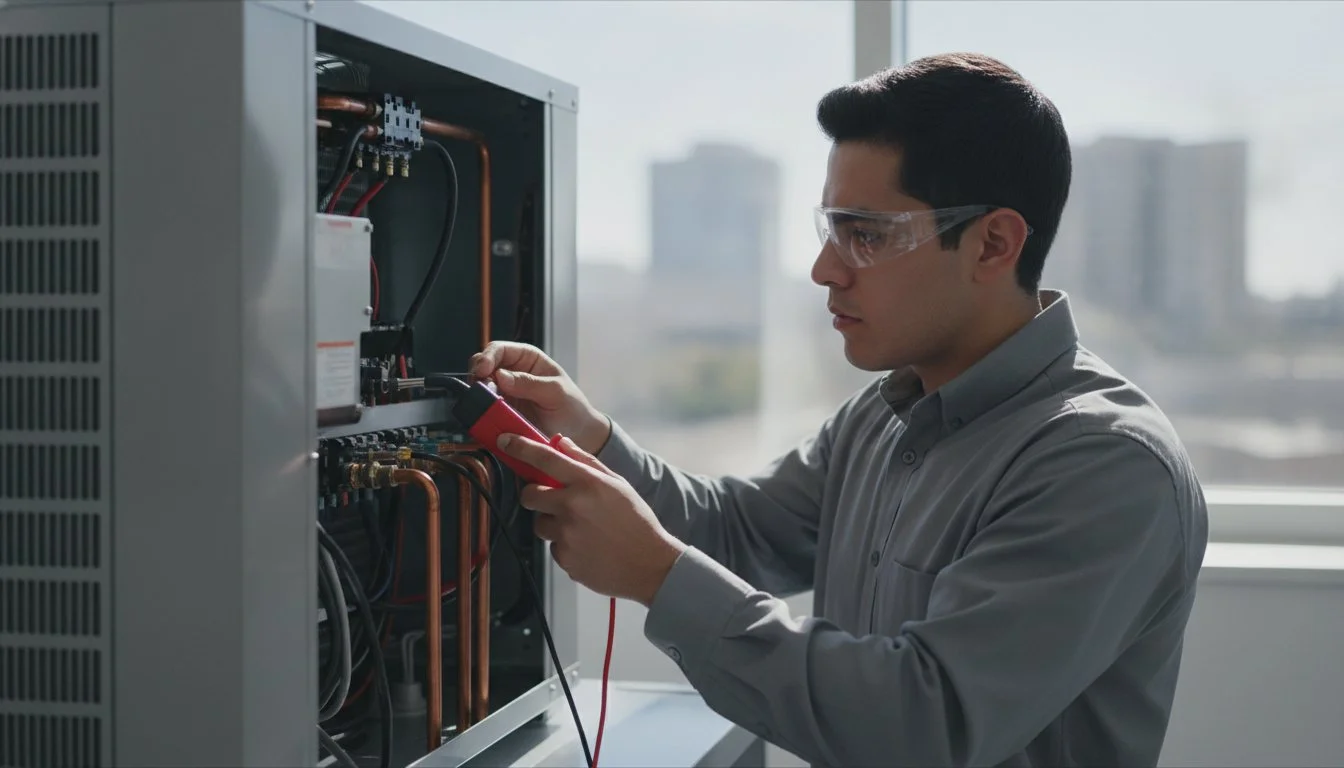
An HVAC technician is a skilled professional responsible for installing, maintaining, and repairing heating, ventilation, and air conditioning systems. These systems are crucial for regulating indoor climate, ensuring comfort, and maintaining air quality in residential, commercial, and industrial settings. The role requires a blend of technical expertise, problem-solving abilities, and a commitment to safety standards.
HVAC technicians work with a variety of equipment, including furnaces, air conditioners, heat pumps, ventilation systems, and thermostats. Their daily tasks can range from routine inspections and preventative maintenance to diagnosing and fixing complex mechanical or electrical issues. The demand for qualified HVAC technicians is consistently high due to the essential nature of these systems and the ongoing need for their upkeep and repair.
The Importance of Plumbing in Modern Infrastructure
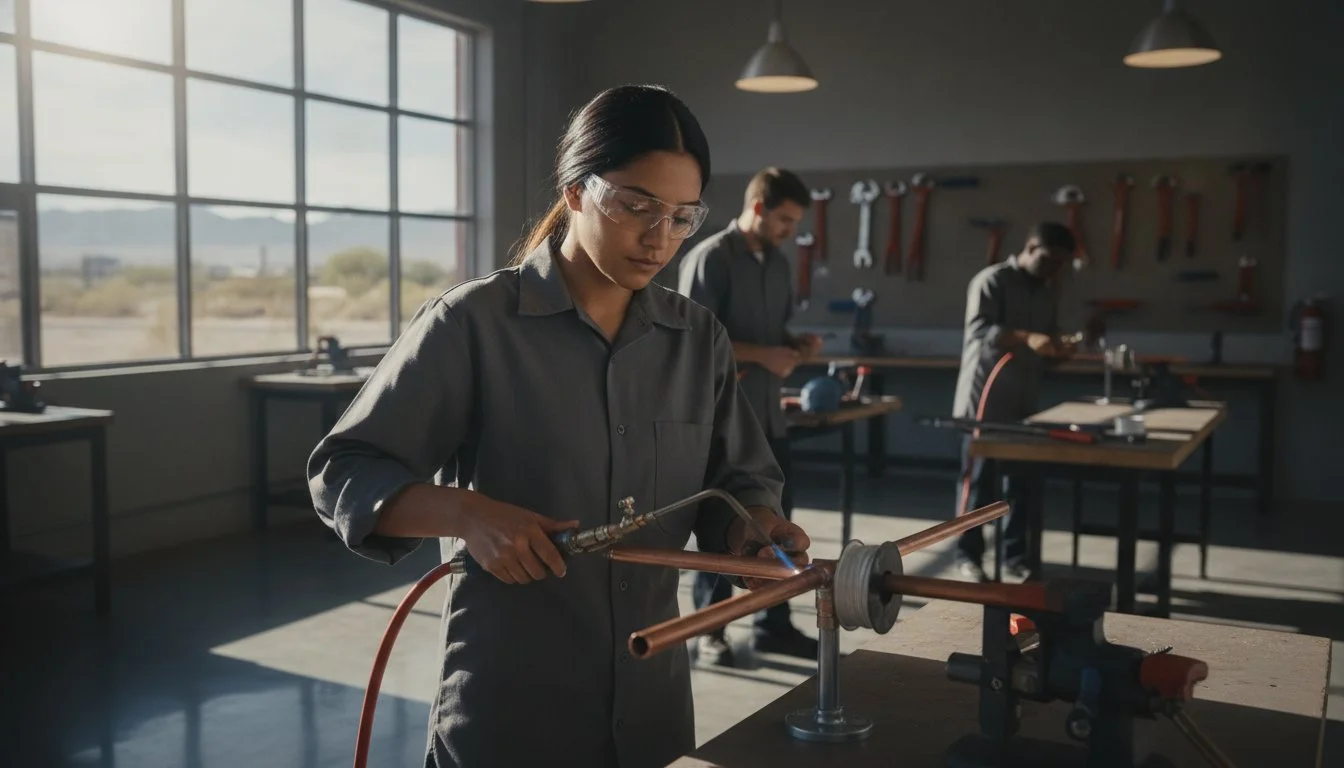
Plumbing is a fundamental aspect of modern infrastructure, ensuring the safe and efficient delivery of water and the removal of wastewater. Plumbers are essential for installing and maintaining the complex systems that provide clean water for drinking, sanitation, and various industrial processes, while also managing the disposal of sewage and greywater to prevent health hazards and environmental contamination.
The work of a plumber extends beyond simple pipe fitting. They are involved in designing and implementing water supply and drainage systems, installing fixtures like sinks and toilets, and ensuring compliance with building codes and health regulations. With advancements in water conservation and smart home technology, plumbers are increasingly incorporating new techniques and systems into their work, making it a dynamic and evolving trade.
Career Opportunities in Electrical Trades
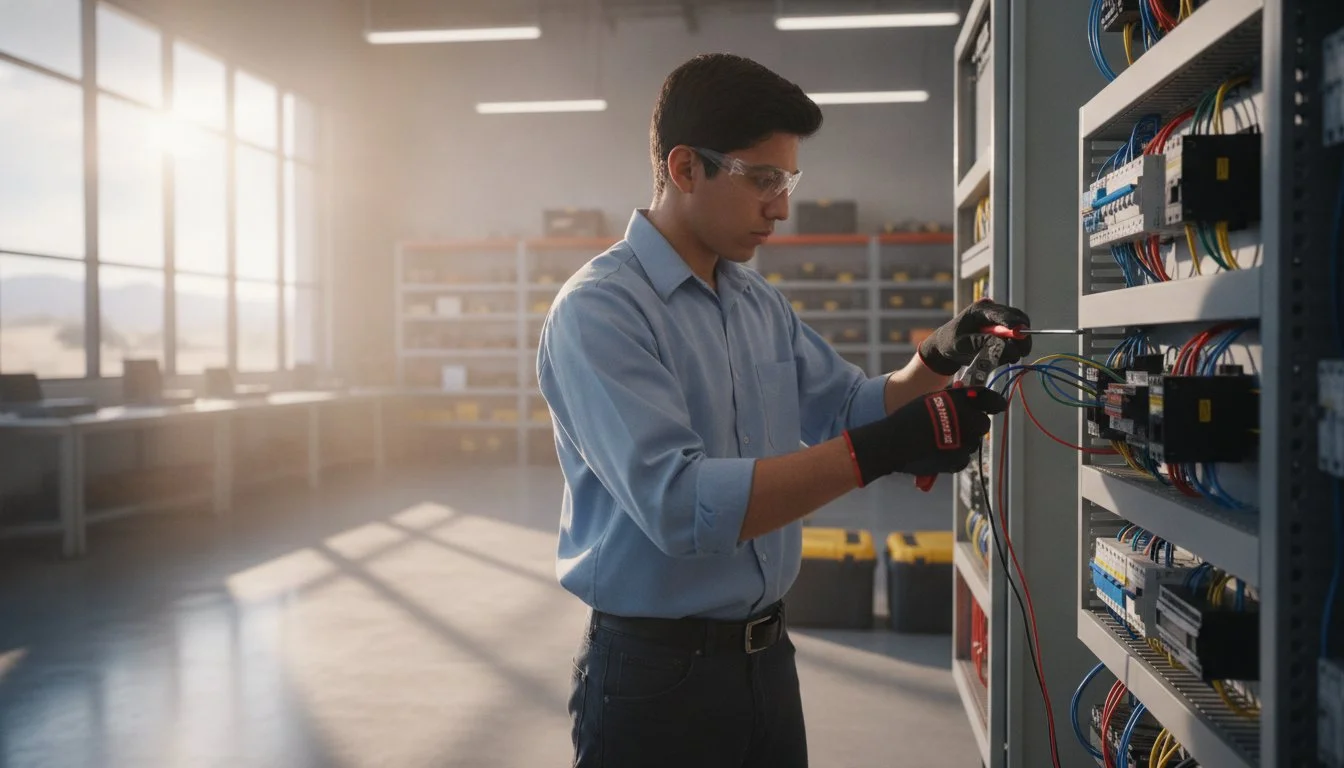
The electrical trades offer a wide array of career opportunities for individuals with technical aptitude and a desire for hands-on work. Electricians are vital to every sector of society, from residential construction and maintenance to complex industrial installations and the burgeoning renewable energy field. These roles are characterized by strong job security and competitive earning potential.
Beyond the traditional electrician role, specialized paths exist such as industrial electricians who work in factories and manufacturing plants, or low-voltage electricians who focus on telecommunications, security systems, and data networks. The ongoing development of smart grids, electric vehicles, and renewable energy sources like solar and wind power continues to drive demand and create new avenues for growth within the electrical trades.
Navigating Your Career Path in Skilled Trades
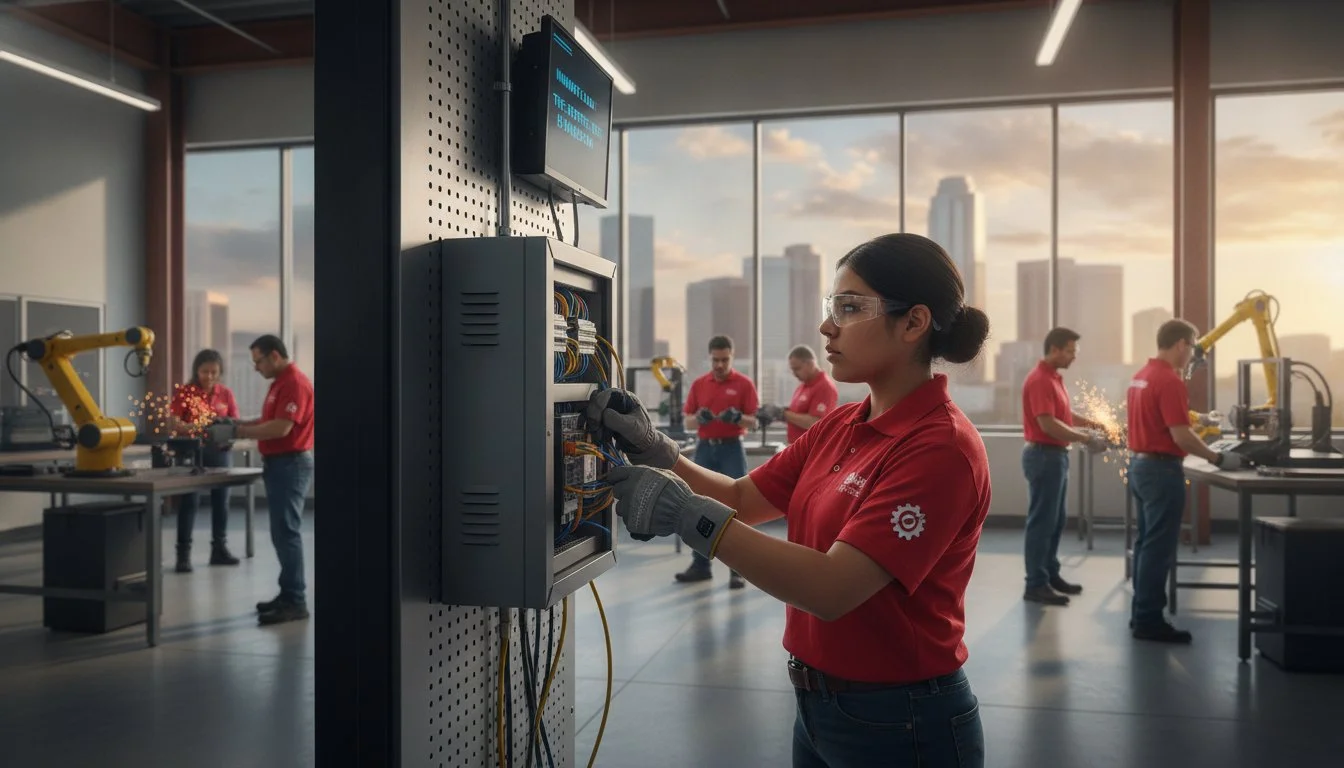
Choosing a career in the skilled trades offers a rewarding path with excellent job prospects and the satisfaction of working with your hands to build and maintain essential services. Unlike traditional academic routes, trade careers often involve apprenticeships and hands-on training, leading to specialized expertise and a direct entry into the workforce.
The demand for skilled tradespeople, including HVAC technicians, plumbers, and electricians, is robust and projected to grow. These professions offer not only stable employment but also opportunities for entrepreneurship, specialization, and continuous learning as technology and industry practices evolve. Exploring vocational training programs can provide a clear roadmap to a fulfilling and in-demand career.