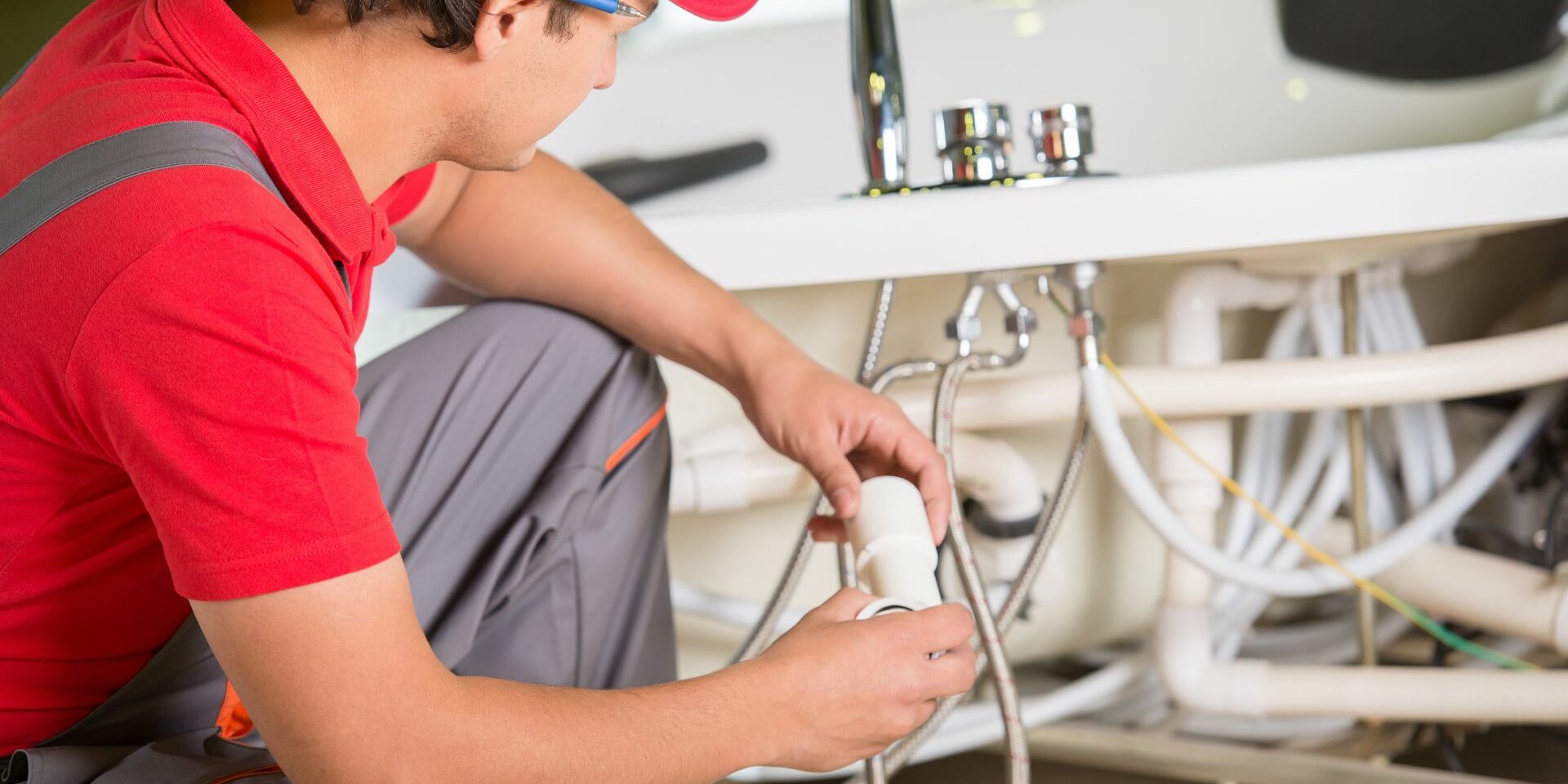
Understanding Residential Plumbing Fundamentals
Residential plumbing focuses on the water supply and drainage systems within homes. This includes everything from the pipes that bring clean water into your house to the drains that carry wastewater away, ensuring a safe and functional living environment.
Key components of residential plumbing involve the installation and maintenance of fixtures like sinks, toilets, showers, and bathtubs, as well as the intricate network of pipes, valves, and water heaters that support them. Proper installation and regular upkeep are crucial to prevent leaks, water damage, and health hazards.
Career Opportunities in Residential Plumbing
A career in residential plumbing offers a stable and in-demand profession with excellent earning potential. Plumbers are essential for new home construction, renovations, and ongoing maintenance, making it a field with consistent job opportunities.
Those pursuing residential plumbing careers can expect to work on a variety of tasks, from diagnosing and repairing leaks and clogs to installing new plumbing systems and fixtures. The role often involves direct interaction with homeowners, requiring strong problem-solving and communication skills.
Trends and Innovations in Residential Plumbing
The residential plumbing sector is constantly evolving with new technologies and sustainable practices aimed at improving efficiency and environmental impact. Consumers are increasingly seeking water-saving fixtures and smart home integration for their plumbing systems.
Current trends include the adoption of PEX tubing for its flexibility and ease of installation compared to traditional copper pipes, the rise of tankless water heaters for energy efficiency, and the integration of smart water leak detectors and app-controlled plumbing systems. These innovations enhance convenience, reduce water waste, and lower utility bills for homeowners.
Choosing the Right Residential Plumbing Training Program
Selecting an appropriate training program is the first critical step for aspiring residential plumbers. A comprehensive program should cover theoretical knowledge, practical hands-on skills, and an understanding of safety regulations and building codes.
Look for programs that offer certifications recognized in the industry, provide opportunities for apprenticeships or internships, and have experienced instructors with real-world plumbing expertise. National Technical Institute (NTI) offers specialized training designed to equip students with the necessary skills for a successful career in residential plumbing.